Continuous intent
Align a word with the gesture that accompanies it and the object on screen at that moment.
We build the layer that connects a gesture, a few words, and the action a person means to take.
Explore our researchWhen someone points and says “move this,” the gesture identifies the file. A second gesture can give it a destination. We build human-to-machine intent infrastructure so those cues can guide an action across devices, operating systems and AI models.
Align a word with the gesture that accompanies it and the object on screen at that moment.
Prepare a reversible preview while the destination is still taking shape. Ask for confirmation when it matters.
Let a second gesture change the destination while keeping the original task in view.
The same request can take two paths. Watch a file move, or change its destination before the move is confirmed.
The word “this” leaves the file unspecified. The system waits for a pointing gesture.
The fingertip and the spoken word refer to the same file. The destination is still open.
A second gesture selects a folder. Choose either destination to revise the preview.
The workspace confirms the file arrived in the selected folder.
The file stays selected. A new gesture asks the system to look for a different folder.
Our SDK and API research explores how one intent model can serve different applications, agents and devices. Each integration checks permissions, routes the action and reports what actually happened.
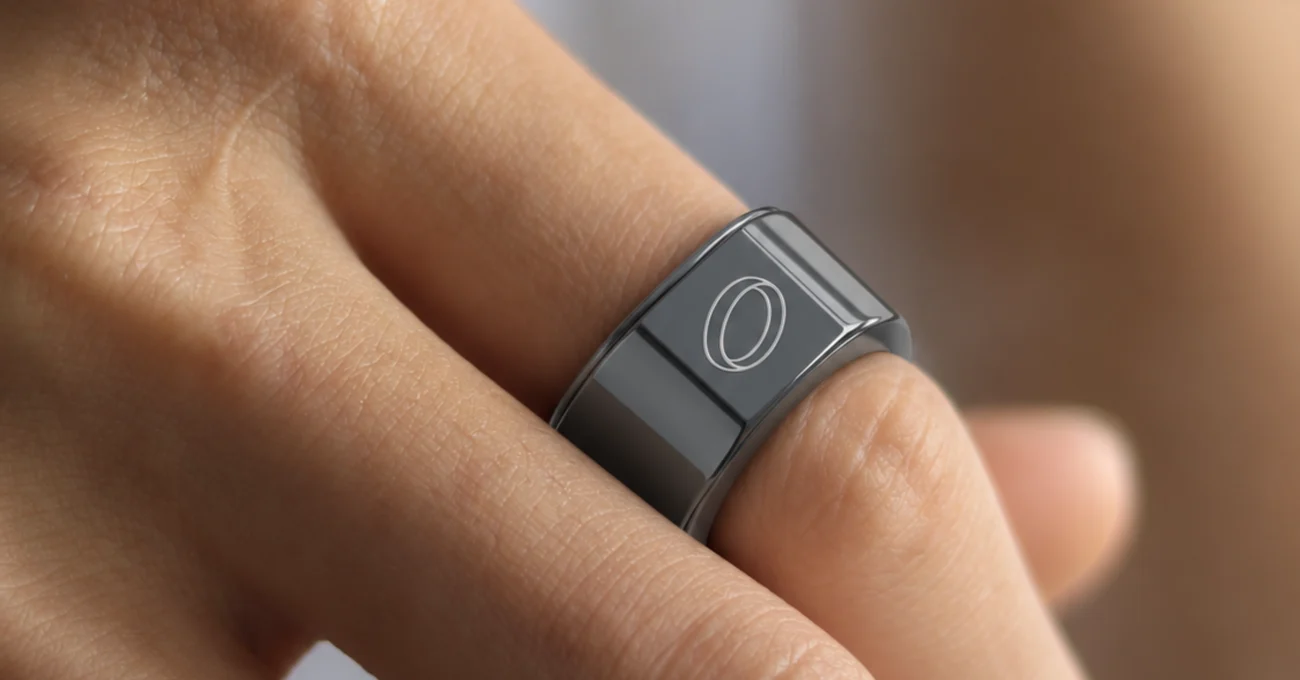
A small movement of the thumb becomes an input for AR and smart glasses. Syno Ring brings our work on gesture into a device worn on the finger.
Explore Syno Ring